Bodrum Things to Do: Halicarnassus, Castle of Saint Peter & Gulet Cruises
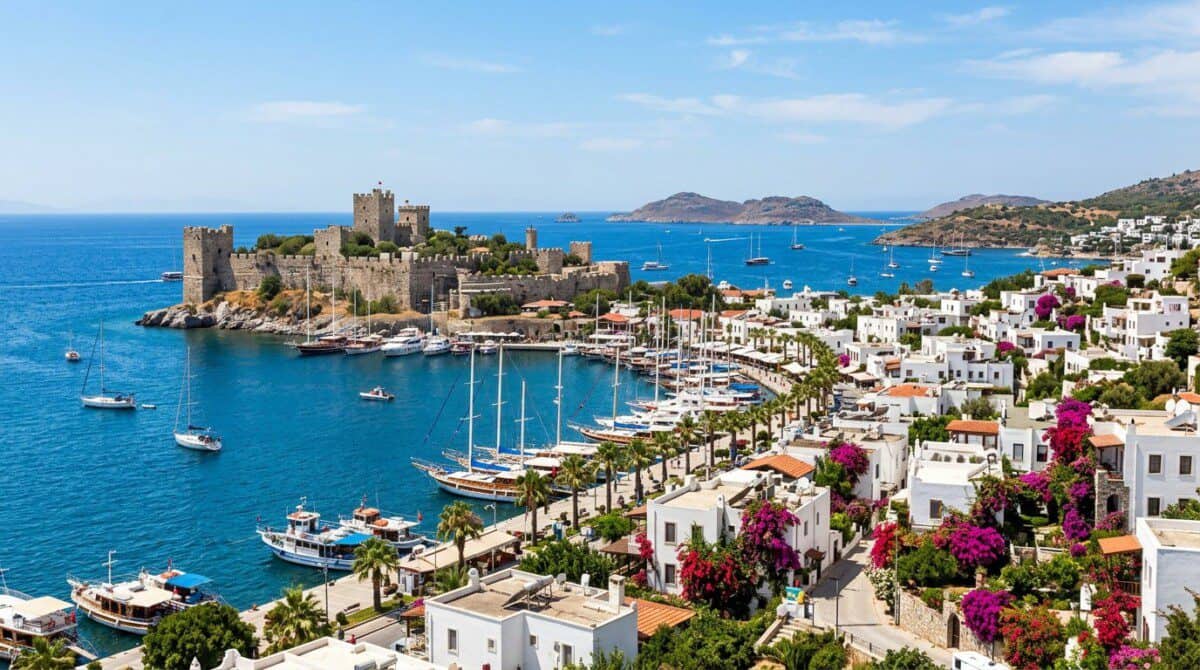
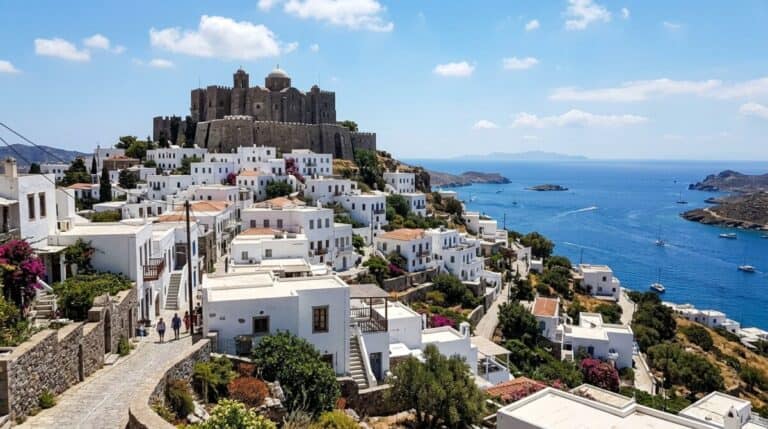
Bodrum things to do begins with the doubled identity that makes this Aegean peninsula one of the most rewarding holidays in Turkey: the ancient Greek city of Halicarnassus, where one of the Seven Wonders of the World once stood, and the modern playground of whitewashed cube houses, gulet cruises, and bougainvillea-draped restaurants that has grown around it.
Last Updated: 17 May 2026
Key Takeaways
- Bodrum sits on the site of ancient Halicarnassus, the birthplace of Herodotus (the “Father of History”) and capital of the Carian kingdom
- The Mausoleum of Halicarnassus was one of the Seven Wonders of the Ancient World; its surviving sculptures are mostly in the British Museum
- The Castle of Saint Peter (15th century) houses the Museum of Underwater Archaeology, home to the 3,300-year-old Uluburun shipwreck
- The 4th-century BCE ancient theater above town seated 13,000 and is the venue for the annual Bodrum International Ballet Festival
- The Bodrum Peninsula has eight distinct villages, each with its own character (Gumusluk for sunsets, Yalikavak for marinas, Bitez for windsurfing)
- Daily ferries connect Bodrum to the Greek island of Kos in 45 minutes, making it the easiest Greek island day trip from Turkey

The Castle of Saint Peter and the Underwater Archaeology Museum
The first night I spent in Bodrum, the white walls of Saint Peter’s Castle were lit gold over the harbor, and the row of bougainvillea-draped restaurants stretched all the way along the marina. The castle is the single most recognizable building in town, and it houses one of the most quietly remarkable museums in Turkey.
The Castle’s History: Knights Hospitaller to Ottoman Garrison
The Castle of Saint Peter was built between 1402 and 1437 by the Knights Hospitaller of Rhodes, using stones quarried from the ruins of the nearby Mausoleum of Halicarnassus. The fortress occupied a small rocky peninsula between Bodrum’s two bays, controlling sea traffic into the harbor.
The Knights held the castle until 1523, when Sultan Suleiman the Magnificent captured nearby Rhodes and the Hospitallers withdrew to Malta. Under Ottoman control, the castle served as a garrison and prison for the next four centuries, before being adapted as a museum in the 1960s.
Walk the outer walls first. The views back over the marina, the modern town climbing the hills behind, and the deep blue Aegean to the south, are among the best free panoramas in Bodrum. The castle has separate wings dedicated to the major European tongues of the Knights (England, France, Italy, Spain, Germany), each marked with their original heraldic stones.
The Bronze Age Shipwrecks Inside
The Castle houses the world-renowned Bodrum Museum of Underwater Archaeology, with the most complete collection of Bronze Age shipwrecks anywhere in the world. The flagship exhibit is the Uluburun shipwreck, a Late Bronze Age trading vessel that sank around 1300 BCE off the Turkish coast.
The Uluburun cargo included 10 tons of copper ingots, glass ingots from Egypt, ebony from Africa, gold from the Aegean, Canaanite jewelry, and Mycenaean pottery. The full reconstruction of the ship’s hull and rigging shows what international Mediterranean trade looked like 3,300 years ago. It is one of the most important archaeological discoveries of the 20th century.
The other major exhibits include the Glass Wreck (an 11th-century Byzantine ship carrying glass cullet for recycling) and the Carian Princess (a 4th-century BCE tomb with intact gold jewelry, attributed to Carian queen Ada). Allow 2 to 3 hours for the full museum.
Practical Tips for Visiting
The castle is open daily except Mondays, with summer hours of 08:30 to 19:00 and winter hours of 08:00 to 17:00. Entry costs around €15 for adults in 2026, with Museumkart accepted at standard rates.
Photography is permitted throughout most of the museum, though tripods require advance permission. The Uluburun gallery has dramatic but slightly dim lighting; bring a camera with good low-light performance if you photograph seriously.
The castle’s interior involves significant stair climbing across multiple levels. Travelers with mobility limitations can see the main entrance, the chapel, and several of the lower galleries, but the upper towers require steep climbs.
The Mausoleum of Halicarnassus Site and the Ancient Theater
Bodrum’s deeper history requires two more stops: the site of the Mausoleum (one of the original Seven Wonders) and the 4th-century BCE ancient theater above the modern town. Both are walkable from the marina and both reward an hour or two of slow visiting.
What the Mausoleum Was
King Mausolus of Caria died in 353 BCE, and his sister-wife Artemisia commissioned a tomb so spectacular that the word “mausoleum” itself comes from his name. The original structure stood 45 meters tall, with a stepped pyramid roof, surrounding colonnade of 36 columns, and a sculpted chariot at the very top driven by Mausolus and Artemisia.
Four of the leading Greek sculptors of the age (Scopas, Bryaxis, Timotheus, and Leochares) each carved one side of the structure. The architectural ambition was such that the Mausoleum was named among the Seven Wonders of the Ancient World, a list compiled in the 2nd century BCE that included the Pyramids of Giza and the Lighthouse of Alexandria.
The structure survived for over 1,500 years before being destroyed by a series of earthquakes between the 12th and 15th centuries. Most of the surviving marble was reused by the Knights Hospitaller to build Saint Peter’s Castle. The remaining sculptural fragments, including parts of the chariot horses and several relief panels, were removed by British archaeologist Charles Newton in the 1850s and are now in the British Museum.
What Is Left at the Site Today
The Mausoleum site sits two streets back from the modern marina, in a fenced archaeological park. What remains is the carved foundation platform, some marble blocks, drainage channels, and the original burial chamber descent. The small on-site museum displays scale models, partial reconstructions, and information panels in English and Turkish.
The site is unfortunately not visually spectacular. The actual experience is mostly intellectual rather than aesthetic. But standing on the foundation, knowing this was one of the wonders of the ancient world, and that the marble from this exact spot now sits inside the castle 200 meters away, is one of the more layered historical experiences in Turkey.
Entry is around €5 and the site takes 45 minutes to walk slowly. Combine with a coffee at one of the small cafes on the same street, ideally with the on-site reconstruction drawings in front of you for context.
The Ancient Theater of Halicarnassus
Built into the hillside above the modern town, the 4th-century BCE theater of Halicarnassus seated 13,000 spectators. It is one of the oldest Greek theaters in Anatolia, originally built during Mausolus’s reign and later expanded under Roman administration.
The view from the top tier looks straight down over Bodrum, the castle, the marina, and the deep blue Aegean stretching toward Kos. Sunset is the best time, when the white town below catches the last light. Today the theater still hosts the Bodrum International Ballet Festival each summer (August through September), with performances on the original stone seating.
Walking up takes 15 minutes from the marina. The site is free to enter and almost always quiet, even in peak season. Bring water; the climb is steep and there is no shade.
Gulet Cruises and the Aegean Day Out
A gulet is a traditional wooden Turkish sailing yacht, and Bodrum is the gulet capital of the Aegean. The boats have evolved from the wooden cargo ships of the early 20th century into wide, comfortable day-cruise platforms with sun decks, swimming ladders, and on-board kitchens.
Day Cruises From Bodrum Harbor
Day cruises leave from Bodrum’s main harbor every morning around 10:30 and return around 17:30. The standard route includes four to five swimming stops at coves like Aquarium Bay (named for its visibility), Black Island (a small offshore islet with cliff jumping for confident swimmers), Camel Beach (smaller cove with shallow sand), and the Karaada hot springs (a small thermal spring inside a sea cave).
Lunch is included and usually consists of grilled fish or chicken with salad, mezes, and unlimited bread. Drinks beyond water and basic soft drinks are typically not included; expect to pay €5 to €10 per drink on board. Day cruises run €30 to €60 per person depending on the operator and the boat standard.
For a more upscale experience, several operators run “VIP” day cruises with smaller groups (6 to 12 guests), better food, and an open bar. Expect €100 to €180 per person. For groups, private gulet charters for a single day cost €400 to €900 in low to peak seasons.
Multi-Day Blue Cruises Along the Carian Coast
Multi-day Blue Cruises (Mavi Yolculuk) continue from Bodrum along the Datca and Gokova coasts, often including Kekova, Gocek, and Fethiye over a week. The route follows the historical Carian coastline, with stops at remote coves accessible only by boat.
Private gulet charters for a week start around €2,500 in low season, climbing to €6,000+ in August for a 12-passenger boat. Per-cabin “shared” Blue Cruises (where you book a cabin and share the boat with other guests) start around €600 per person for a week including most meals.
For travelers continuing east, the gulet route eventually connects to Fethiye, then on to Oludeniz and the Lycian coast. Bodrum-to-Fethiye one-way Blue Cruises are one of the most popular sailing routes in Turkey.
Choosing the Right Gulet Operator
Bodrum has dozens of gulet operators, ranging from family-run single-boat businesses to larger charter companies. Quality varies significantly. Look for operators with Turkish Ministry of Transport blue-water licenses (legally required and visibly displayed), recent positive reviews, and clear safety equipment standards.
Reliable mid-range day-cruise operators include the official Bodrum Marina cooperative, Captain Pamuk, and Mona Cruises. For multi-day charters, established names like Gulet Holidays Turkey, Sail Bodrum, and Aegean Cruise have decades of experience.
Book through Turkish operators directly when possible. International aggregators often add 15 to 25 percent markup on the same boats. For peak August, reserve at least three months in advance; quality boats sell out early.
The Bodrum Peninsula: Eight Villages, Eight Personalities
Beyond the main town, the Bodrum Peninsula stretches west and south with a string of small villages, each with its own atmosphere. Choosing the right village for your base, or planning a few day trips, transforms a standard Bodrum holiday into something more interesting.
Gumusluk: The Romantic Sunset Village
Gumusluk sits on the western edge of the peninsula, built on the ruins of ancient Myndos. The village is a small seaside settlement with restaurants on the beach (literally with tables in the shallow water) and the romantic ruin of a half-submerged ancient harbor stretching offshore.
The classic Gumusluk experience is sunset dinner with your feet in the Aegean. Mimoza Restaurant and Sait Restaurant are the two best-known kitchens; expect €30 to €60 per person for a long meze and grilled fish meal. Walk out to the half-submerged ancient harbor afterward; you can walk knee-deep in the shallow water across to the small offshore island.
Gumusluk is 30 minutes’ drive from Bodrum town. Worth at least one evening visit even if you base elsewhere. For couples on a Bodrum trip, an overnight stay in one of Gumusluk’s small boutique hotels is genuinely memorable.
Yalikavak: The Upscale Marina
Yalikavak, on the northwest of the peninsula, hosts the most upscale marina in Bodrum: Palmarina Yalikavak. The marina has 600 berths, hosts some of the largest super-yachts in the Aegean each summer, and is surrounded by designer boutiques, art galleries, and high-end restaurants.
This is the village for travelers who want a more polished resort experience. Mid-range hotels run €120 to €280 per night; high-end resorts like Maxx Royal Bodrum start around €500. Restaurants include international chefs from Istanbul, with multi-course menus around €80 to €150 per person.
Yalikavak is 25 km from Bodrum town, about 30 minutes by car. The village itself is upscale but a bit polished; for a more raw village experience, head to Gumusluk or Bitez instead.
Turkbuku, Bitez, and the Other Peninsula Villages
Turkbuku, on the northern coast, is often called the “St Tropez of Turkey” because of its long-running reputation as a celebrity hangout. The atmosphere is similar to Yalikavak (yachts, beach clubs, expensive cocktails) but slightly smaller and more intimate.
Bitez, just west of Bodrum town, has the best windsurfing on the peninsula. The bay’s consistent afternoon winds and shallow shoreline make it a year-round training spot for windsurfers from across Europe. Several certified schools rent equipment and offer beginner courses.
Other peninsula villages worth exploring: Akyarlar (long sandy beach, family-friendly), Turgutreis (the second-largest town on the peninsula, with a major weekly market on Saturdays), Ortakent (boutique hotels with mature gardens), and Mumcular (inland village with a different, more rural character).
How to Get to Bodrum, Where to Stay, and the Kos Ferry
Bodrum is one of the most accessible destinations in southwestern Turkey, with a dedicated international airport, year-round ferry connections, and direct intercity bus services from every major Turkish city.
Bodrum-Milas Airport and Transfers
Bodrum-Milas Airport (BJV) is 36 km from Bodrum town center, with daily flights from Istanbul (75 minutes) and seasonal direct flights from London, Berlin, Paris, Amsterdam, and most other major European hubs. Pegasus, Turkish Airlines, and AnadoluJet are the main Turkish carriers.
Private airport transfers cost €30 to €45 in 2026, depending on whether you go to Bodrum town or one of the further peninsula villages. The Havas shuttle bus runs to Bodrum town center for around €10 per person, but with limited departures aligned to specific flights.
For travelers going to Yalikavak, Gumusluk, or Turkbuku, a private transfer is the only practical option from the airport; the shuttle does not serve the peninsula villages.
Where to Stay: Town vs Peninsula
The first choice is whether to base in Bodrum town itself or out on the peninsula. Bodrum town has the castle, the marina, the ancient theater, the most restaurants, and the easiest access to day-trip boats. Mid-range hotels run €80 to €220 per night.
Peninsula villages offer more atmospheric stays, less crowded beaches, and more dramatic sunsets, at the cost of needing a car or paying for taxis to reach the town’s restaurants and bars. Most travelers benefit from a split: 3 nights in town, 2 nights in Gumusluk or another peninsula village.
For luxury, the Mandarin Oriental Bodrum (Cennet Koyu), Maxx Royal Bodrum (Yalikavak), and Six Senses Kaplankaya (45 minutes east) are the three flagship five-star resorts. Expect €450 to €1,500+ per night in peak season.
The Ferry to Kos (Greek Island Day Trip)
Bodrum also runs a daily passenger ferry to the Greek island of Kos, just 20 km offshore. The crossing takes 45 minutes each way and costs around €30 to €45 round trip in 2026. The first ferry departs around 09:00, and the last return ferry from Kos is usually around 17:00.
Kos has a substantial Greek island town (with Roman ruins, a medieval Crusader castle, and the Plane Tree of Hippocrates), Greek tavernas, and several good beaches within minibus distance of the harbor. Bring your passport, and remember that for EU passport holders the trip does not need a Greek visa, while non-EU travelers may need a multi-entry Schengen visa.
For a longer Greek island trip from Bodrum, you can hop from Kos to Patmos, Leros, or Kalymnos by domestic Greek ferries. See my Patmos guide and Rhodes Old Town guide for the Dodecanese connections.
Frequently Asked Questions About Bodrum
What was Bodrum’s ancient name?
Halicarnassus. It was the capital of the Carian kingdom in the 4th century BCE, the birthplace of the Greek historian Herodotus (often called the “Father of History”), and the site of the Mausoleum of Mausolus, one of the Seven Wonders of the Ancient World. The modern name “Bodrum” comes from the Greek “Petronion”, a reference to Saint Peter’s Castle built by the Knights Hospitaller.
When is the best time to visit Bodrum?
May to mid-June and September to mid-October are the optimal months. July and August are extremely crowded, prices peak, and temperatures regularly exceed 35°C. The shoulder months offer the same swimming, gulet cruises, and historic sites with significantly fewer people and lower prices.
Is Bodrum or Marmaris better?
Bodrum has the historical depth (Halicarnassus, the Mausoleum, the Bronze Age shipwrecks in the castle museum) and a more sophisticated dining scene. Marmaris is family-oriented, more budget-driven, and slightly larger as a pure resort town. Choose Bodrum for culture plus beach; choose Marmaris for an all-inclusive resort holiday with limited interest in history.
How many days do I need in Bodrum?
Three days for Bodrum town itself (castle, ancient theater, Mausoleum site, the harbor, and one gulet day trip). Five to seven days lets you add the peninsula villages, a Kos ferry day, and slower beach time. For travelers planning a multi-day Blue Cruise, allocate 7 to 10 days total.
Can I see all Bodrum sights on foot?
Yes, within Bodrum town itself. The castle, the marina, the Mausoleum site, the ancient theater, and the main pedestrian shopping street are all within 20 minutes’ walk of each other. For peninsula villages and the airport, you need a car, a taxi, or the local dolmus minibus network.
Bodrum, for me, is the rare Turkish coastal town that earns the comparison to St Tropez and the Greek islands without losing its own ancient soul. For more along the same coast, see my Oludeniz Blue Lagoon guide further south, and Ephesus for the wider Anatolian history. External reference: British Museum houses the surviving Mausoleum sculptures.
About the author: İlknur Acar is the founder of Bir Dakikada Geziyorum, a Turkish travel publication with 250+ long-form destination guides. She is a third-year history student, has lived for three years in Kyiv, and has visited 11 countries.
💬 Have a question or a correction? Write to me on Instagram.